Community priorities
Begin with locally identified needs and the leadership structures responsible for them.
Community-led travel in Northern Tanzania
Our community work connects two priorities: conservation alongside Maasai leadership in Esilalei, and responsibly coordinated support for children and families around Mto wa Mbu.
Purpose begins with listening
Good intentions are only a beginning. The more important questions are who defined the need, who is responsible for delivery, how dignity is protected and what happens after a traveller leaves.
We use those questions to guide conversations with community leadership, families, schools, conservation partners and travellers. The goal is practical support that fits local priorities—not a performance arranged for visitors.
Our working principleListen first. Agree clearly. Protect dignity. Follow through.
Begin with locally identified needs and the leadership structures responsible for them.
Treat access, photography and personal stories as permissions—not benefits owed to a visitor.
Clarify what support is intended to fund before a contribution or partnership is confirmed.
Set a realistic update rhythm that matches the size, duration and sensitivity of the work.
Two places, one principle
Our role is to connect responsible travel and partnership conversations with locally relevant priorities.
Esilalei · Conservation
Esilalei sits within a pastoral landscape where livelihoods, water, grazing and wildlife movement are closely connected. Partnership conversations focus on practical stewardship and the people who understand this land across seasons.
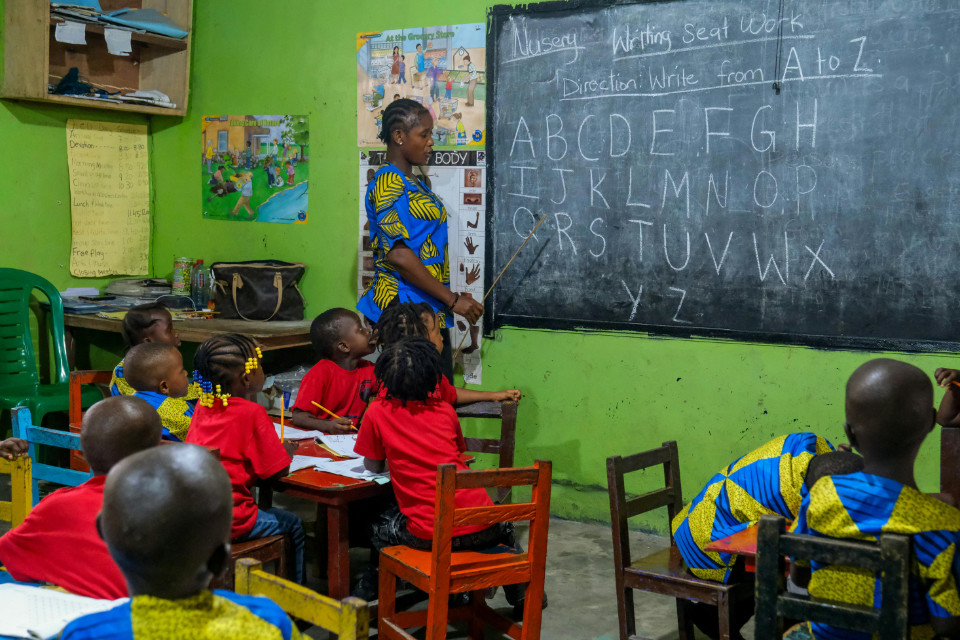
Mto wa Mbu · Children & families
Education, essential supplies, nutrition and family wellbeing can all affect whether a child remains safely engaged in learning. Any support should be coordinated with responsible adults and local partners, with privacy and safeguarding built in from the start.
From interest to responsible action
Whether the support is small or long-term, these are the conversations that help keep it useful and accountable.
Request a partner conversationClarify the locally identified priority, who is affected and who has authority to make decisions.
Agree the intended activity, responsible contact, timing, budget line and practical boundaries.
Confirm consent, privacy, child-protection and location-sensitive considerations before access or media sharing.
Coordinate the agreed support and share an update appropriate to the project, partner and people involved.
Practical transparency
Community work changes over time, so a fixed percentage chart or impressive headline number can create false certainty. A better starting point is a clear, current scope for the specific support being discussed.
Available details depend on the project stage and the privacy of the people involved.
People & place
Photography should preserve context and dignity. Personal images are used only where sharing is considered appropriate.
Where we work
The map identifies the wider Esilalei ward area—not a household, school or sensitive conservation site.
Before you visit or support
If your question involves a specific school, family or project budget, contact us so we can respond with the right context.
Start with a conversation
We’ll help you understand what is currently appropriate, useful and possible.