Choose time, not just distance
Longer itineraries can create a more gradual altitude profile and a less rushed experience.
5,895 metres · Africa's highest summit · Locally guided
Compare Kilimanjaro's established routes by days, scenery and trail style. We help match the climb to your fitness, altitude experience and wider Tanzania journey.
Start with the feeling you want from the journey, then compare the routes, duration and level of challenge.
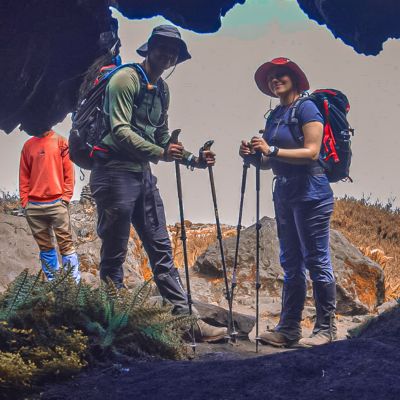 01 · 9 routes
Kilimanjaro Trekking
High-altitude summit routes with varied scenery and pacing.
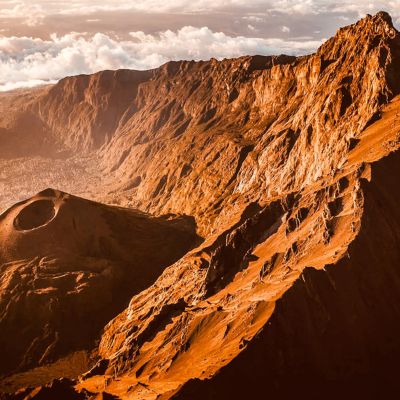 02 · 1 route
Mount Meru
A quieter wildlife-rich climb and valuable acclimatization.
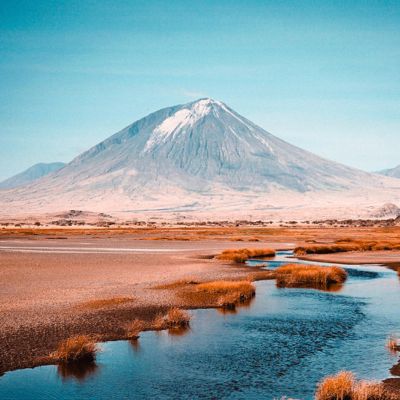 03 · 1 route
Ol Doinyo Lengai
A steep night ascent to a sacred active volcano.
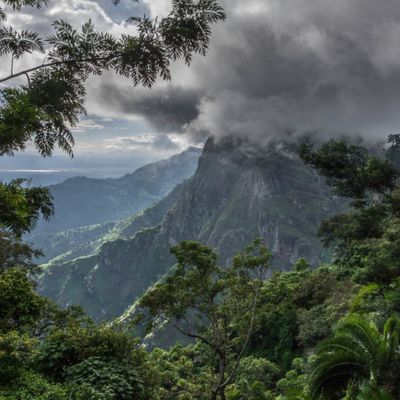 04 · 1 route
Usambara Mountains Treks
Green highlands, village paths and unhurried cultural walks.
Explore how each established approach reaches Kibo, where routes merge, and which descent trail brings you home. Select a route on the atlas to compare its geography and character.
Longer itineraries can create a more gradual altitude profile and a less rushed experience.
We discuss trail style, daily hours, equipment and practical training before you arrive.
Build in arrival, recovery, safari and Zanzibar time without forcing the mountain into a crowded schedule.
Scenic, gradual and strong for acclimatization
Indicative planning atlas using named itinerary stages and OpenStreetMap landmarks—not a navigation map.Use this as a first filter, then open the representative itinerary for its daily altitude pattern, current guide price and exact overnight plan.
No summit-success percentage is published here: route choice is personal, and outcomes depend on itinerary length, preparation, health, weather and on-mountain decisions.
Open a route for its day-by-day plan, accommodation, guide pricing and detailed inclusions. Dates remain flexible unless a confirmed departure is shown.
 5 days
Flexible dates
The only Kilimanjaro route using mountain huts
Huts instead of mountain tents
 6 days
Flexible dates
Scenic, gradual and strong for acclimatization
Scenery with gradual pacing
 6 days
Flexible dates
Varied scenery with a climb-high, sleep-low rhythm
Varied scenery and active pacing
 6 days
Flexible dates
The only Kilimanjaro route using mountain huts
Huts instead of mountain tents
 6 days
Flexible dates
Quieter northern trail with a Marangu descent
A quieter northern approach
 6 days
Flexible dates
Direct and demanding, best for experienced trekkers
A steep start for experienced trekkers
 7 days
Flexible dates
Scenic, gradual and strong for acclimatization
Scenery with gradual pacing
 7 days
Flexible dates
Varied scenery with a climb-high, sleep-low rhythm
Varied scenery and active pacing
 8 days
Flexible dates
The longest, quietest circuit around Kibo
Extra time and gradual progression
Mountain weather changes quickly. These broad planning windows help you start the conversation; the exact route and dates should be checked against current conditions.
Discuss your travel monthOften warmer with clear mornings. A strong option for Kilimanjaro and Meru before the longer rains.
The main dry season generally brings reliable trails and clearer visibility, with colder summit nights.
Selected routes may still work outside peak windows, but rain, cloud and trail conditions need closer review.
Start with the practical essentials, then open a route or speak with our local team for advice shaped around you.
January to early March and June to October usually offer the clearest, driest mountain conditions. The right window still depends on the route, your experience and current weather.
Longer routes such as Lemosho and the Northern Circuit generally allow more time to acclimatize, while Marangu is the only route using mountain huts. We match the route to your available days, fitness and preferred trail style.
Most standard Kilimanjaro and Mount Meru routes do not require technical climbing skills, but good preparation, suitable equipment and a gradual pace are essential. Ol Doinyo Lengai is short but very steep and demanding.
Inclusions vary by route, but proposals normally explain guiding, park fees, mountain crew, meals, camping or hut arrangements, transfers and safety support. Open a route for its current detailed inclusion list.
Yes. We can coordinate recovery time, road or air transfers, a private safari and a Zanzibar stay around your mountain dates in one Tanzania itinerary.
Share your dates, trekking experience and wider Tanzania plans. We will help compare suitable routes and prepare one clear proposal.