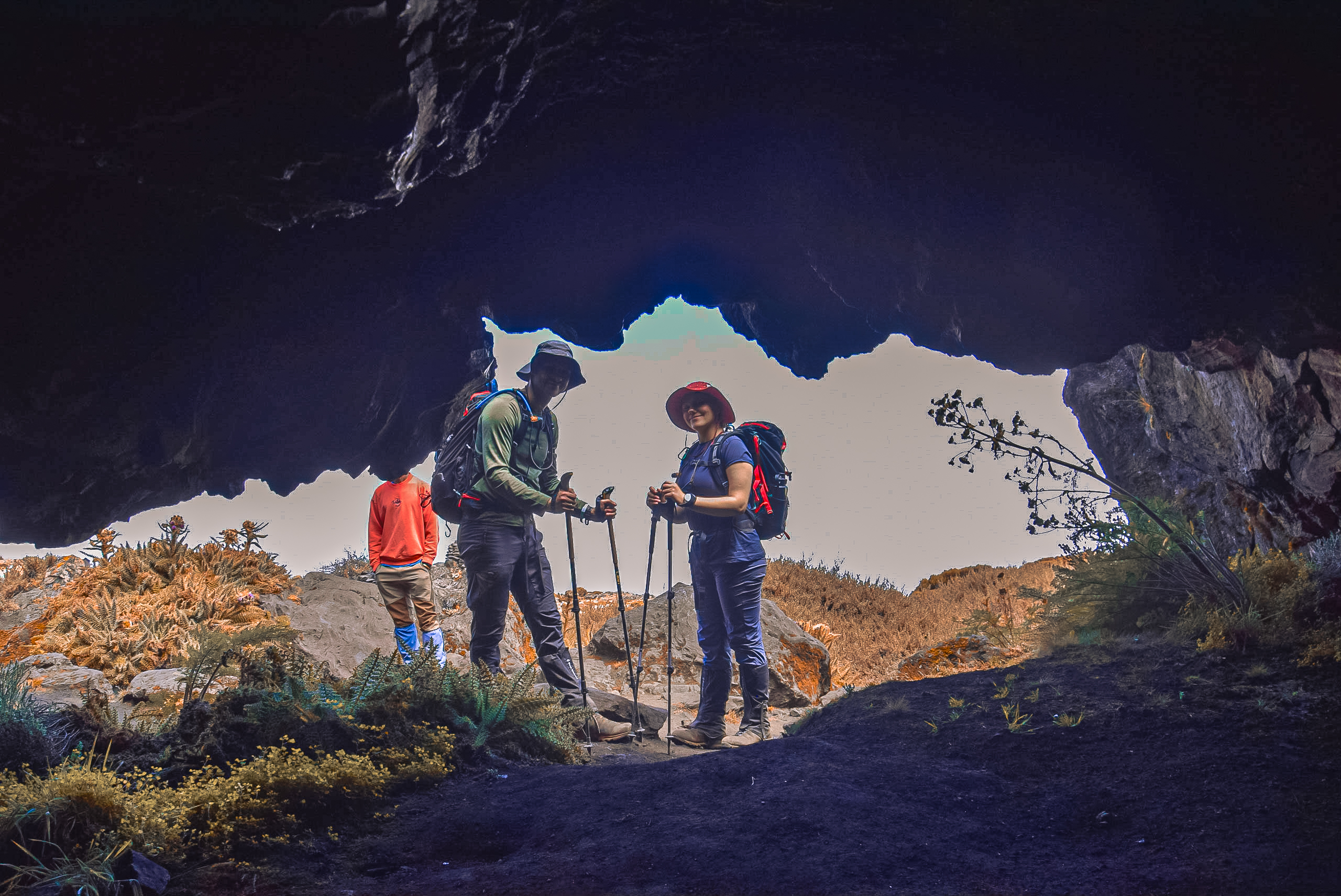
Compare Kilimanjaro’s main climbing routes by acclimatization time, scenery, sleeping style, crowds and difficulty before choosing the right itinerary.
There is no single best Kilimanjaro route for every climber. Lemosho is often the strongest all-round choice for scenery and a gradual approach, Machame balances experience and cost, and Marangu is the only main route using mountain huts instead of tents. The most important decision, however, is not the route name alone: it is choosing enough days, sensible pacing and a responsible licensed operator.
For a first attempt, we generally favor a seven- or eight-day itinerary over the shortest advertised schedule. More time does not guarantee the summit, but it gives the body a better opportunity to acclimatize and makes the climb less rushed.
Kilimanjaro routes at a glance
- Lemosho: scenic western approach, camping, usually seven or eight days
- Machame: varied and popular southern approach, camping, commonly six or seven days
- Marangu: the hut route, usually five or six days, with ascent and descent sharing much of the same trail
- Rongai: quieter northern approach, camping, normally six or seven days
- Northern Circuit: longest and often quietest option, usually eight or nine days
- Umbwe: steep, direct and physically demanding, normally better suited to experienced or already acclimatized climbers
Durations vary by operator and itinerary. Always compare the complete day-by-day plan rather than relying only on the route name.
Lemosho route: best all-round choice for many climbers
Lemosho begins on Kilimanjaro’s western side and approaches through forest before reaching open heath and high-alpine terrain. It later joins the southern circuit used by Machame itineraries. The changing landscapes and longer schedules make it attractive to photographers and first-time climbers who can allow seven or eight days.
Its main advantage is time. A well-paced Lemosho itinerary introduces altitude more gradually than a short climb and can include useful acclimatization opportunities. It is not an easy route—the summit night remains demanding—but it creates a strong balance of scenery, pacing and route variety.
Choose Lemosho if you value:
- A longer acclimatization profile
- Varied scenery and a quieter beginning
- Tent-based mountain camps
- Seven or eight days on the mountain
Machame route: best balance of scenery, time and budget
Machame is one of Kilimanjaro’s most recognized routes. It begins on the southern side, crosses a variety of ecological zones and uses a camp-based itinerary. Because it is popular, some sections and camps can feel busy during peak climbing periods.
Six-day versions exist, but a seven-day Machame climb usually creates a more measured schedule. It can suit active hikers who want a scenic route without the additional time and cost of a longer Lemosho or Northern Circuit itinerary.
Choose Machame if you value:
- Strong scenery on a widely established route
- A seven-day itinerary with camping
- A balance between mountain time and overall trip cost
- A social trail atmosphere and do not require solitude
Marangu route: best for hut accommodation
Marangu is Kilimanjaro’s principal hut-based route. Climbers sleep in shared mountain huts rather than tents, which appeals to travelers who prefer a solid structure and established facilities. It also uses much of the same corridor for ascent and descent, so it offers less trail variety than routes that descend via Mweka.
The route is sometimes described as the easiest because of its gradual trail and hut accommodation. That description can be misleading. A short five-day schedule gains altitude quickly and still ends with a long, cold summit attempt. When choosing Marangu, a six-day itinerary with an acclimatization day is usually a more sensible starting point than the shortest version.
Choose Marangu if you value:
- Shared hut accommodation instead of tents
- A clearly established trail and facilities
- A six-day plan rather than the shortest schedule
- A route that can be straightforward operationally while remaining physically serious
Rongai route: a quieter northern approach
Rongai approaches Kilimanjaro from the north, near the Kenya border, and normally descends on the Marangu side. Its opening stages can feel quieter than Machame, and the northern approach may appeal during periods when the southern slopes are receiving more rain.
The scenery is generally considered less varied in the early stages than Lemosho or Machame, but the sense of space can be rewarding. A seven-day schedule is preferable when time and budget allow.
Choose Rongai if you value:
- A less-trafficked approach
- Northern mountain landscapes
- Tent-based camps with a different descent route
- Six or preferably seven days on the mountain
Northern Circuit: best for time, space and gradual acclimatization
The Northern Circuit starts from the western side and then traverses the quieter northern slopes. It is the longest common itinerary and demands the largest time and budget commitment, but the additional days can support gradual acclimatization and a less hurried rhythm.
It suits travelers who place mountain experience above speed and can dedicate eight or nine days to the climb. Longer does not mean effortless: weather, altitude, fatigue and summit night remain serious considerations.
Choose the Northern Circuit if you value:
- The longest common acclimatization schedule
- Quieter northern slopes
- A more complete journey around the mountain
- Eight or nine trekking days and the corresponding budget
Umbwe route: steep and not our default first-climb recommendation
Umbwe gains altitude rapidly on a steep southern approach. Its direct character can appeal to experienced trekkers, but the faster elevation gain provides less time for acclimatization in the opening days. It should not be selected simply because it is shorter.
Climbers considering Umbwe should discuss previous high-altitude experience, itinerary length and acclimatization strategy honestly with the operator. For most first-time high-altitude trekkers, a longer Lemosho, Machame or Northern Circuit plan is a more forgiving choice.
Does the route determine summit success?
Route choice matters, but duration, ascent profile, personal health, guide decisions, hydration, rest and weather all influence the experience. No ethical company can guarantee that a traveler will reach Uhuru Peak.
The US Centers for Disease Control and Prevention advises adding at least one or two days to commonly promoted four- to six-day Kilimanjaro ascents. This recommendation reflects the importance of gradual acclimatization regardless of fitness. Excellent cardiovascular fitness does not protect a climber from altitude illness.
Read our guide to how hard it is to climb Kilimanjaro for more detail on summit night, preparation and altitude.
Questions to ask before choosing a route
- How many days does the itinerary spend ascending before summit night?
- Where are the acclimatization opportunities?
- Is the advertised duration counted from the park gate or from hotel departure?
- Does the operator use TANAPA-licensed guides and follow current park rules?
- What is the guide-to-climber ratio?
- How are porter welfare, equipment, meals and emergency decisions handled?
- What happens if a guide decides a climber should descend?
- Are rescue, evacuation and high-altitude travel insurance requirements explained clearly?
All Kilimanjaro climbs must be guided through authorized arrangements. Independent, unguided climbing is not the normal legal access model in Kilimanjaro National Park.
Which Kilimanjaro route should you choose?
Choose Lemosho for the strongest overall blend of scenery and time. Choose Machame for a scenic seven-day climb with a slightly smaller time commitment. Choose Marangu when huts are essential, but avoid assuming the shortest itinerary is easy. Choose Rongai for a quieter northern approach. Choose the Northern Circuit when acclimatization time and space matter more than cost. Reserve Umbwe for climbers whose experience and preparation genuinely suit a steep ascent.
Browse our Kilimanjaro trekking routes and compare the day-by-day pacing before choosing. Our Arusha team can also help you plan a Kilimanjaro climb around your experience, available days and preferred sleeping style.
Official planning references
TANAPA Kilimanjaro visitor guide: https://www.tanzaniaparks.go.tz/kilimanjaro/visitor-guide
TANAPA Kilimanjaro route map and park brochure: https://www.tanzaniaparks.go.tz/uploads/publications/en-1633027058-KI.pdf
CDC guidance for African climbing expeditions: https://www.cdc.gov/yellow-book/hcp/africa-middle-east/african-safaris-and-climbing-expeditions.html
Final recommendation
For most first-time climbers, start by comparing seven-day Machame with seven- or eight-day Lemosho. If tent camping is unsuitable, compare a six-day Marangu itinerary. Whichever route you select, protect acclimatization time and choose a team that treats safe descent as more important than a summit photograph.
Locally publishedPrepared by the Africano Paraiso team in Arusha, Tanzania.