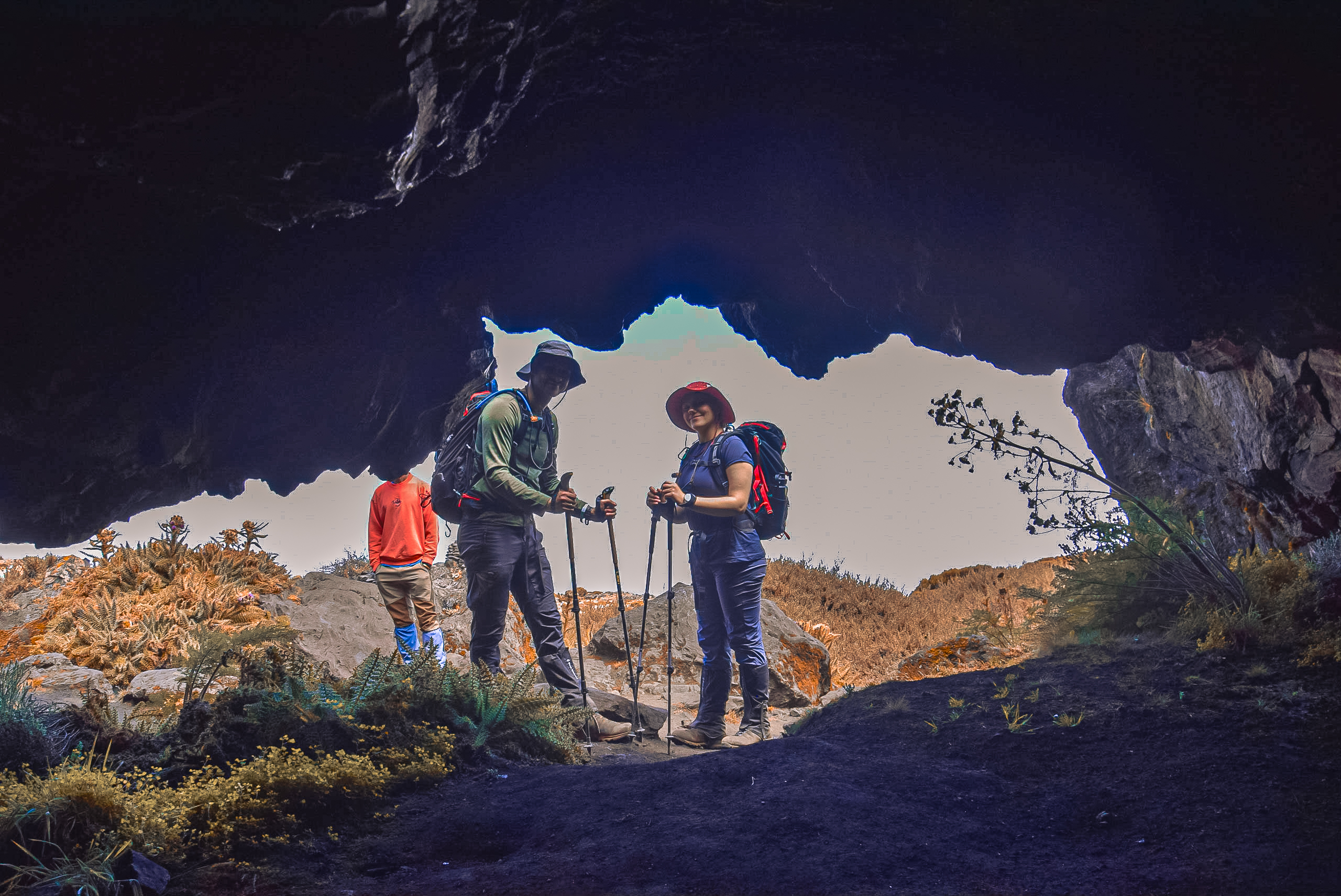
Kilimanjaro is a non-technical trek, but altitude, cold, long walking days and summit night make it a serious challenge. Learn what preparation and pacing really matter.
Kilimanjaro is physically and mentally demanding, but it is not usually a technical mountaineering climb on the standard trekking routes. Most climbers do not need ropes, ice-climbing skills or previous high-altitude experience. The central challenge is reaching 5,895 meters while giving the body enough time to acclimatize.
Being fit helps with daily walking and recovery, but fitness does not prevent altitude illness. A strong runner can struggle at altitude while a steady walker may adapt well. Route length, ascent rate, health, weather, sleep and individual physiology all affect the experience.
How difficult is Kilimanjaro in simple terms?
The terrain is manageable for many active travelers, but the cumulative effort is substantial. Climbers walk on consecutive days through changing environments, sleep in basic mountain conditions, cope with cold and finish with a very long summit attempt at extreme altitude.
The final night commonly begins around midnight or earlier. Climbers ascend slowly in darkness and cold, then descend for many additional hours. Exact timing varies by route, camp, conditions and individual pace.
Kilimanjaro should therefore be described as accessible rather than easy.
Why altitude is harder than the trail
At 5,895 meters, air pressure and available oxygen are far lower than at sea level. The body needs time to adjust. Acute mountain sickness can affect anyone who ascends too quickly, regardless of age, strength or training.
Common early symptoms can include headache, nausea, dizziness, unusual fatigue, reduced appetite and poor sleep. Symptoms must be reported honestly to the guide. Continuing higher while symptoms worsen can be dangerous.
Confusion, loss of coordination, breathlessness at rest, severe weakness or a worsening cough can indicate life-threatening high-altitude illness. These require urgent action, descent and medical assessment. Summit ambition must never take priority over safety.
Does choosing a longer route help?
More days generally give the body more opportunity to acclimatize. CDC guidance for Kilimanjaro specifically advises adding one or two days to commonly promoted four- to six-day ascents. A longer itinerary does not guarantee success, but rushed schedules can increase altitude stress.
Route choice also affects scenery, sleeping pattern, crowd levels, descent route and opportunities to “climb high, sleep low.” The best route is not simply the cheapest or shortest option.
Discuss the actual number of mountain days, camp elevations and acclimatization profile—not only the route name.
How fit do you need to be?
You do not need elite athletic ability, but you should be comfortable walking for several hours on consecutive days. Training should build aerobic endurance, leg strength, balance and confidence using the footwear and daypack planned for the mountain.
A useful preparation program often includes regular brisk walking, progressively longer hikes, hills or stairs, and basic strength work. Training with back-to-back walking days helps prepare for cumulative fatigue. The appropriate program depends on current health and experience, so professional advice may be valuable.
- Build consistent walking volume rather than relying on occasional extreme workouts
- Practice uphill and downhill movement
- Wear the boots, socks and layers intended for the climb
- Carry a light daypack during training
- Include recovery and avoid arriving injured
- Do not treat fitness as protection from altitude illness
The mental challenge
Slow movement can feel frustrating to fit climbers. Cold, interrupted sleep, basic facilities and reduced appetite can make ordinary tasks feel difficult. Summit night requires patience when the landscape offers few visual reference points and every step feels repetitive.
Good expectations help. The goal is not to race. Following the guide’s pace, eating when possible, communicating symptoms and focusing on one stage at a time are more useful than comparing speed with other climbers.
Weather and temperature
Kilimanjaro crosses multiple ecological zones, so conditions can move from warm forest to rain, wind and severe summit cold. Weather changes quickly, and cold management becomes harder when a climber is tired or moving slowly.
A proper layering system, waterproof outer clothing, warm gloves, head protection and suitable sleeping equipment are essential. Gear quality matters, but familiarity matters too. Test layers before travel and understand how to adjust them without unpacking everything.
Which parts are usually hardest?
- Repeated days of walking and limited recovery
- Eating and sleeping at increasing altitude
- Cold, wind or wet conditions
- Summit night’s duration, darkness and steep final ascent
- A long descent on tired legs
- Making a safe decision to turn around when necessary
Individual experiences vary. One climber may find the cold most difficult while another struggles with appetite, sleep or altitude symptoms.
Who should seek medical advice before climbing?
Every climber benefits from a pre-travel health discussion. It is especially important for people with heart or lung disease, sleep apnea, diabetes, pregnancy, significant anemia, sickle-cell conditions, previous severe altitude illness or other complex medical needs.
Medication such as acetazolamide is sometimes considered for altitude-illness prevention, but it must be discussed with a qualified clinician who understands the traveler’s health and route. Do not self-prescribe or rely on another climber’s medication.
What a responsible mountain operator should provide
- A realistic itinerary with adequate acclimatization time
- Guides trained to recognize and respond to altitude illness
- Regular health monitoring and honest turnaround decisions
- Clear emergency, oxygen and evacuation procedures
- Suitable food, safe water and hygienic camp systems
- Fair treatment, equipment and working conditions for the mountain crew
- A complete briefing on gear, route and daily expectations
Ask how safety decisions are made. A claimed “guaranteed summit” is not a mark of quality.
Can a beginner climb Kilimanjaro?
Yes, many first-time high-altitude trekkers climb Kilimanjaro successfully, but beginner-friendly does not mean risk-free. A beginner should choose a well-paced route, train consistently, use an experienced team and accept that turning around can be the correct outcome.
No ethical operator can guarantee the summit. Weather, health and acclimatization remain individual and unpredictable.
Official health guidance
CDC guidance for African safaris and climbing expeditions: https://www.cdc.gov/yellow-book/hcp/africa-middle-east/african-safaris-and-climbing-expeditions.html
CDC high-altitude travel guidance: https://www.cdc.gov/yellow-book/hcp/environmental-hazards-risks/high-altitude-travel-and-altitude-illness.html
Final answer
Kilimanjaro is achievable for many prepared travelers, but it is genuinely hard. The route is mostly trekking rather than technical climbing; altitude and summit-night endurance create the real difficulty. Choose enough days, train for consecutive walking, follow the mountain team and treat any decision to descend as responsible—not as failure.
Locally publishedPrepared by the Africano Paraiso team in Arusha, Tanzania.